


What is After Repair Value (ARV)?
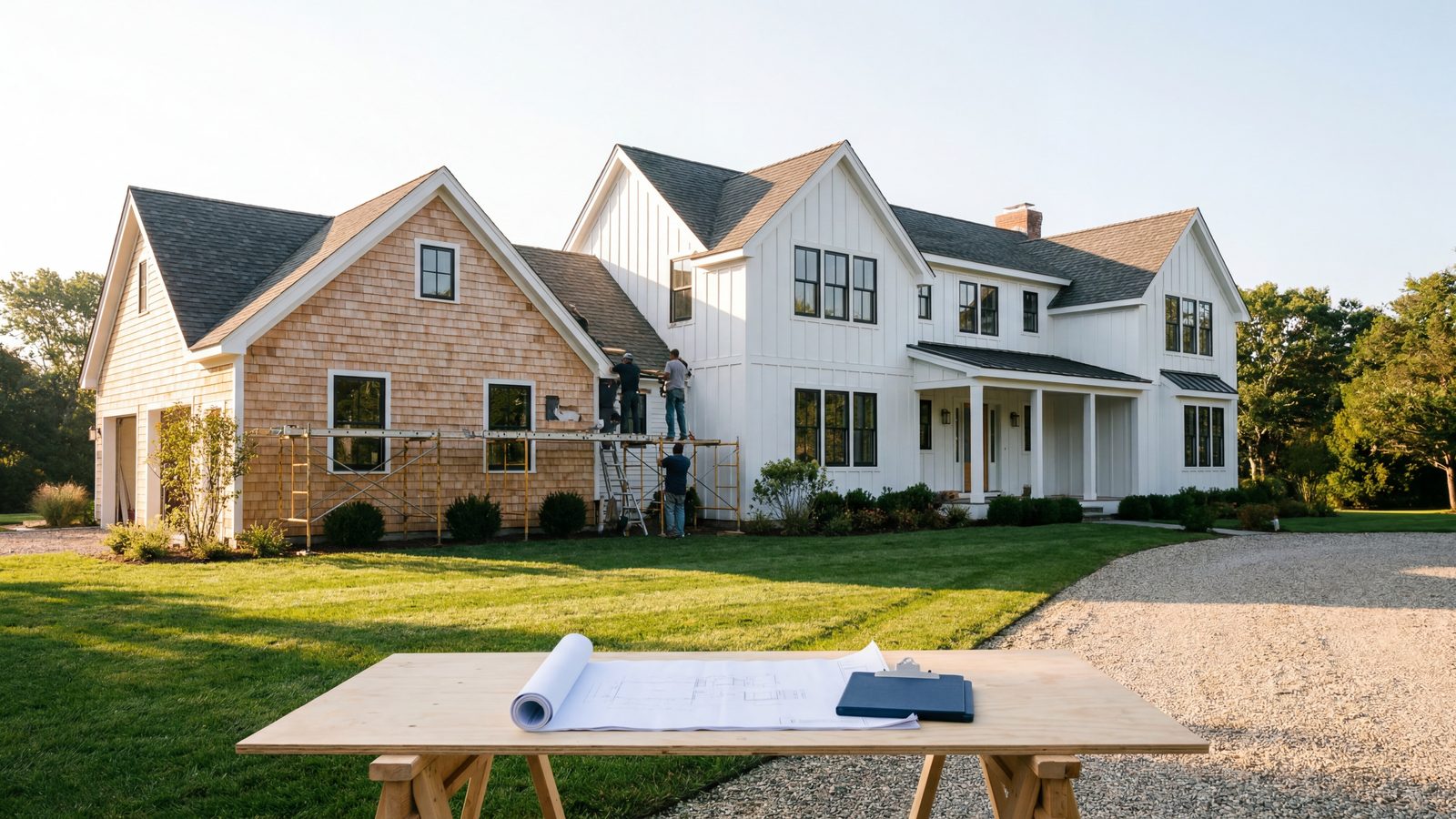
After-Repair Value (ARV) is the estimated market value of a property once all planned renovations are complete; lenders use this figure—not the current purchase price—to determine your maximum loan amount.
In the world of real estate investing, ARV is the "finish-line number." It represents what a house will be worth on the open market after you have finished your planned repairs and upgrades. Understanding this figure is the difference between a profitable project and a deal that runs out of capital mid-renovation.
Why ARV Matters for Your Financing
Private lenders, such as Flatiron Realty Capital, rely on ARV to manage risk. Because these loans are secured by the property itself, the lender needs to know that the finished asset will have enough value to cover the debt if the project encounters issues.
While traditional banks often focus on your personal income, Flatiron Realty Capital, for example, specializes in project-based qualifying. By focusing on the potential of the property rather than your personal tax returns, Flatiron can help you move faster on time-sensitive acquisitions.
How Lenders Calculate ARV
Lenders do not simply take your word for the projected value. They use a rigorous, data-driven process to ensure their capital is protected.
- Comparable Sales (Comps): The backbone of any ARV estimate is a deep analysis of recently sold properties. Appraisers look for homes within a close radius—typically 0.5 to 1 mile in urban areas—that have sold in the last 3–6 months and share similar square footage, bed/bath counts, and lot sizes.
- Scope of Work Review: Your renovation budget is critical. A lender will review your proposed improvements to ensure they align with the quality and finishes of the comparable properties you are targeting. If you plan to spend $50,000 on cosmetic updates, your ARV cannot be based on a full-gut renovation comp.
- Market Condition Adjustments: In 2026, market volatility remains a factor. Lenders factor in absorption rates—how quickly homes are selling in your area—and whether the market is softening, which may lead them to apply a conservative buffer to your projected ARV.
- Appraisal Validation:Most institutional lenders require a professional appraisal to audit your business plan. At Flatiron, we integrate this analysis into our proprietary platform, IronLinc, to qualify projects based on ARV rather than personal income—helping you move fast on deals that pencil out.
The 70% Rule: A Common Benchmark
Many investors use the "70% rule" as a quick way to screen deals. This guideline suggests that you should not pay more than 70% of the ARV, minus your estimated repair costs.
For example, if a property has an ARV of $500,000, the rule suggests:
- $500,000 x 0.70 = $350,000
- Subtract your $75,000 repair budget
- Maximum offer price: $275,000
While this is a helpful rule of thumb, it is not a lender’s loan policy. Always confirm specific LTV (loan-to-value) requirements with your lender before finalizing an offer.
Frequently Asked Questions
Is ARV the same as the current market value?
No. The current market value is what the property is worth in its distressed, "as-is" state. ARV is the projected value after you have finished your planned renovations.
Can I influence the ARV calculation?
You influence ARV by providing a detailed, professional scope of work. Lenders, including Flatiron Realty Capital, use this documentation to verify that your planned upgrades are realistic and market-appropriate, which helps in securing the right project-based financing.
What happens if the appraisal comes in lower than my ARV?
If the appraisal comes in lower, the lender will typically adjust the loan amount based on the lower, verified figure. This is why it is vital to be conservative when estimating your ARV during the deal-analysis phase.
Why do lenders use ARV instead of purchase price?
Lenders use ARV because it reflects the true value of the collateral once the project is finished. By keeping LTVs below 70%, lenders like Flatiron Realty Capital maintain the discipline necessary for their "belt and suspenders" underwriting approach.
When you are ready to move on your next project, reach out to Flatiron Realty Capital. With a proprietary cloud lending platform, IronLinc, and a team focused on speed, we provide the efficient capital you need to build faster.