


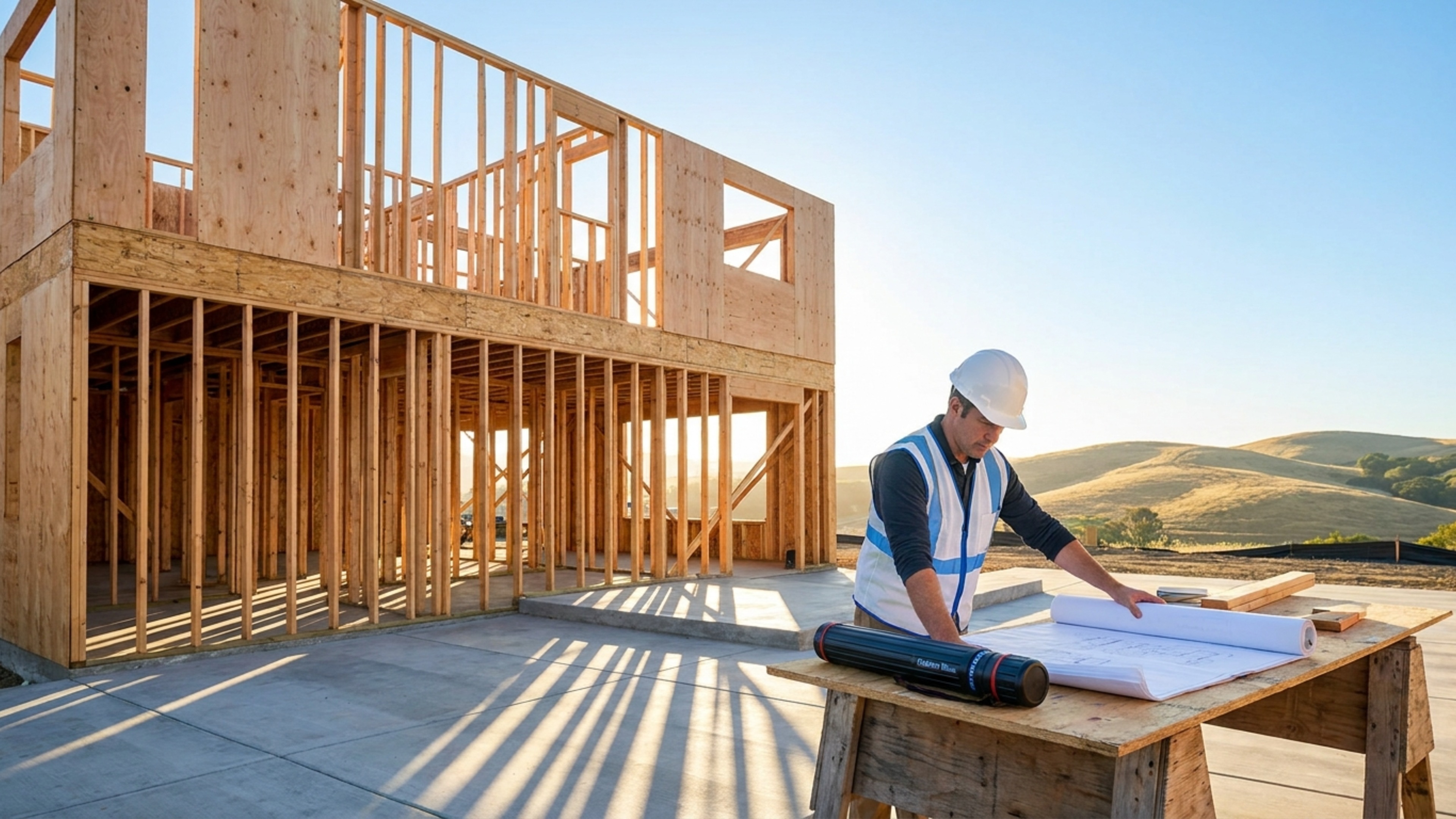
How to Finance a Ground-Up Construction Project
Learn how to finance a ground-up build in 2026. Discover how to manage draw schedules, secure funding, and partner with a lender that prioritizes speed.
Financing a ground-up construction project requires moving from traditional bank models to specialized lending that understands project-based potential rather than just personal income. To succeed, you must secure a lender who manages capital through a structured draw schedule and evaluates your deal based on its future value.
1. Assemble Your Professional Team
Before approaching a lender, you need a project plan that proves viability. This includes a licensed general contractor with a proven track record, finalized architectural plans, and a line-item construction budget. Lenders want to see that you have a competent team capable of executing the vision.
2. Secure Your Land and Permits
Whether you already own the land or are acquiring it, your land acts as your initial "skin in the game." Many private lenders, including Flatiron Realty Capital, can help structure loans that take into account the value of the land as part of your project's total capitalization. Having your permits in order or in advanced stages of approval significantly accelerates your path to closing.
3. Choose the Right Loan Structure
Traditional banks often struggle with ground-up builds because they rely on existing collateral. In contrast, private lenders focus on the After-Repair Value (ARV) of the finished property. Flatiron Realty Capital, for instance, specializes in luxury residential ground-up construction, offering draw schedules that align with your specific building milestones to ensure your crews stay paid and the project moves at the speed of your ambition.
4. Master the Draw Schedule
A draw schedule is the roadmap for your project’s financing. Instead of receiving a lump sum, funds are released in stages—typically tied to milestones like foundation, framing, and mechanicals.
- Stay organized: Keep invoices, lien waivers, and proof of work ready for every request.
- Proactive communication: Work with a lender that uses technology, such as Flatiron’s proprietary IronLinc platform, to streamline the submission and approval of these draws, preventing the payment delays that often stall construction.
5. Manage Your Contingency
Even the best projects face unexpected costs. Always budget a 10–15% contingency reserve above your estimated build costs. Lenders look for this buffer because it demonstrates that you are prepared for the reality of construction, which helps maintain the "belt and suspenders" underwriting discipline required for high-end projects.
Frequently Asked Questions
What is the difference between LTC and ARV?
Loan-to-Cost (LTC) is the percentage of your total project costs that the lender will fund. After-Repair Value (ARV) is the estimated market value of the property once it is fully completed, which lenders use to ensure the loan is well-secured.
How long does it take to get funded?
While traditional banks can take months, private lenders specializing in luxury residential builds can move much faster. Flatiron Realty Capital, for example, is built for speed, providing same-day loan commitments and closing in as little as 5–7 business days.
Do I need prior construction experience?
While a track record helps, lenders primarily evaluate the feasibility of the deal and the qualifications of your general contractor. If your GC has the necessary experience, you can often qualify for financing even if this is your first ground-up build.
Why do lenders use a draw schedule?
Draw schedules protect both the lender and the borrower by ensuring that capital is only deployed as value is added to the site. This keeps interest costs lower, as you only accrue interest on the funds actually drawn, rather than the entire loan amount.
Ready to break ground? Flatiron Realty Capital offers bespoke financing solutions for luxury residential builders, backed by $1 billion in credit facilities. Contact us today to see how we can move your project forward.
Sources
- Construction Loan Draw Schedule: What It Is and How It Works
- Ground-Up Construction Financing: How Developers Fund New Construction Projects in 2026
- How to Fund a Ground-Up Construction Project Without a Bank (2026 Guide)
- What is a construction loan draw schedule?