


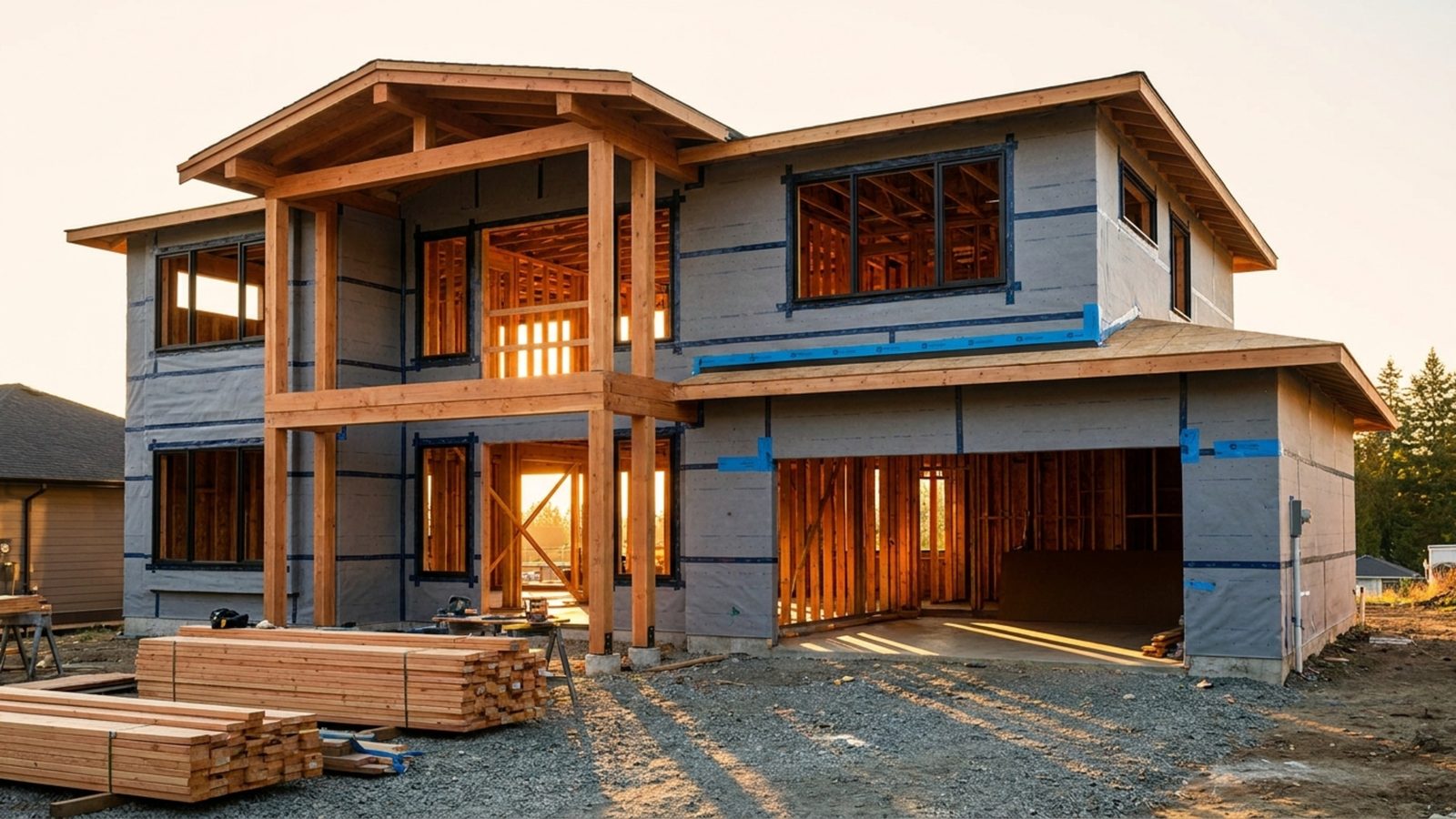
How Rising Construction Costs Reshape Ground-Up Loan Budgets
In 2026, rising construction costs driven by labor shortages and tariff-related material spikes require developers to move beyond static estimates and adopt more conservative, data-backed contingency planning.
Construction costs in 2026 are not following the predictable patterns of the past. Builders are navigating a structural shift where labor shortages and tariff-driven material price volatility—particularly in metals like copper and aluminum—have become the new baseline. For developers, this means that a project estimated even a few months ago may be underpriced before it breaks ground.
When building a budget for a ground-up project, the margin for error has effectively vanished. Here is how the current climate is changing the way successful developers and lenders approach financing.
The New Reality of Material and Labor Costs
The industry is currently seeing annualized input price spikes, with some metal products posting double-digit increases due to trade policies and high demand from sectors like data center construction. While soft materials like timber may show localized relief, the overall upward pressure on electrical, mechanical, and structural components is persistent.
Simultaneously, a significant labor shortage continues to push wages higher. Because these are structural forces rather than temporary supply chain hiccups, relying on "sticker prices" from late 2025 is a recipe for a mid-project budget shortfall.
Why Your Loan Structure Matters
In this environment, you need a lending partner that understands the nuances of modern construction. Flatiron Realty Capital, for instance, specializes in ground-up construction lending, providing structured draw schedules that align with the actual progression of your project.
Rather than working with rigid institutions that struggle to account for market shifts, many builders prefer a partner that offers bespoke structures up to $20 million. Because Flatiron is a direct balance-sheet lender, they maintain the agility to adjust to project needs, ensuring that your capital remains available even when material costs fluctuate.
Strategies for Protecting Your Project Budget
To maintain project viability in 2026, developers are shifting their strategies:
- Increase Contingency Buffers: Historical 3–5% contingencies are no longer sufficient. Many experts now recommend a 15–20% buffer for projects with high procurement exposure to account for potential tariff impacts.
- Prioritize Procurement Visibility: Use cloud-based tools to track material costs in real-time. Knowing exactly when to pull the trigger on ordering long-lead items can save you from the compounding effects of price surges.
- Use Indexed Pricing: When negotiating with contractors, consider including escalation clauses tied to public indices like the Producer Price Index (PPI). This creates a transparent, fair way to share the risk of market volatility.
- Partner with Expert Lenders: Work with lenders who prioritize "belt and suspenders" underwriting. Flatiron Realty Capital, which has seen zero principal losses since its 2018 inception, uses its proprietary IronLinc platform to manage construction draws efficiently, keeping your project moving while maintaining strict discipline on loan-to-value ratios.
Frequently Asked Questions
How much contingency should I add to my 2026 construction budget?
While 3–10% was the standard in previous years, risk analysts now recommend a 15–20% contingency buffer to handle current tariff-related material volatility and labor scarcity.
Why are copper and aluminum costs so high in 2026?
These materials are experiencing sharp price increases due to a combination of aggressive trade tariffs and massive demand for electrical infrastructure required by new AI data centers.
How does Flatiron Realty Capital help with construction projects?
Flatiron provides ground-up construction loans with specialized draw schedules. They combine institutional-grade securitization with the speed of a private lender, offering same-day term sheets to help builders secure their position in a fast-moving market.
Is construction spending declining?
While total spending has shown some early signs of flattening or minor decline in specific sectors like manufacturing, costs remain elevated. The market is increasingly defined by a "two-speed" reality where supply-constrained residential projects remain in high demand.
If you are planning a ground-up development, don't let market volatility stall your progress. Reach out to the team at Flatiron Realty Capital to discuss a financing structure that keeps your project on track.